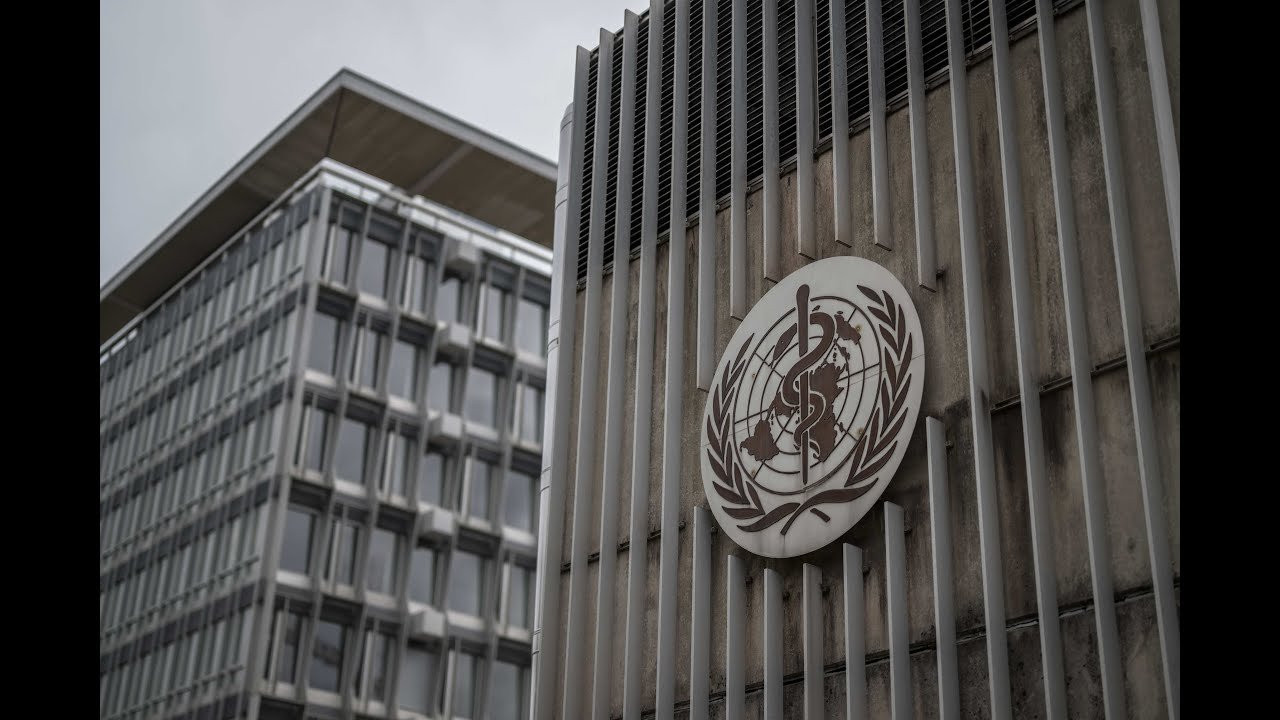
On January 22, 2026, the United States officially completed its withdrawal from the World Health Organization (WHO), ending a 78‑year membership in the global health body that began in 1948. This historic decision marks the first time the U.S. is no longer part of the global health coordinating agency established after World War II.
Why the U.S. Left the WHO
The U.S. government, led by President Donald Trump, began the withdrawal process on January 20, 2025, by signing Executive Order 14155 directing the country to exit the WHO. The official reasons cited include:
- Alleged failures in the WHO’s handling of the COVID‑19 pandemic and delays in declaring the outbreak a global emergency.
- Perceived lack of transparency, accountability, and independence from political influence.
- Claims that the U.S. should no longer carry a disproportionate share of WHO funding without sufficient influence in decision‑making.
As part of the formal withdrawal, all U.S. funding to the WHO has stopped, American personnel have been recalled from WHO offices worldwide, and the U.S. has exited WHO governance structures. The government says it will continue health work globally through direct partnerships with countries and organizations instead of through the WHO.
Global Reactions and Concerns
The decision has drawn strong reactions internationally:
- Public health experts warn that excluding the U.S. from the WHO could weaken global disease surveillance, emergency response, and vaccine development. They say the move could make it harder to detect and respond to future pandemics quickly.
- The WHO and global health leaders have stressed that cooperation among countries is essential because infectious diseases don’t respect national borders.
- Some analysts say the withdrawal could alter global influence, with other countries potentially stepping into leadership roles within the WHO framework.
Impact on Public Health Efforts
Experts fear several practical consequences of the U.S. exit:
- Loss of access to global health data, including critical information for developing vaccines like seasonal influenza shots.
- Reduced funding could force the WHO to cut programs and staff, affecting its ability to fight diseases worldwide.
- The move may weaken coordination in tackling pandemics, tuberculosis, malaria, HIV/AIDS, and other global health priorities in countries that rely heavily on WHO support.
Some public health advocates describe the decision as “scientifically reckless,” arguing that long‑term health security requires strong international collaboration rather than separation.
What Happens Next?
Officials in Washington say the U.S. will continue global health leadership through new partnerships and direct collaborations with other governments and organizations. But many health professionals and policymakers believe the absence of U.S. engagement in the WHO could challenge global preparedness against future health emergencies.