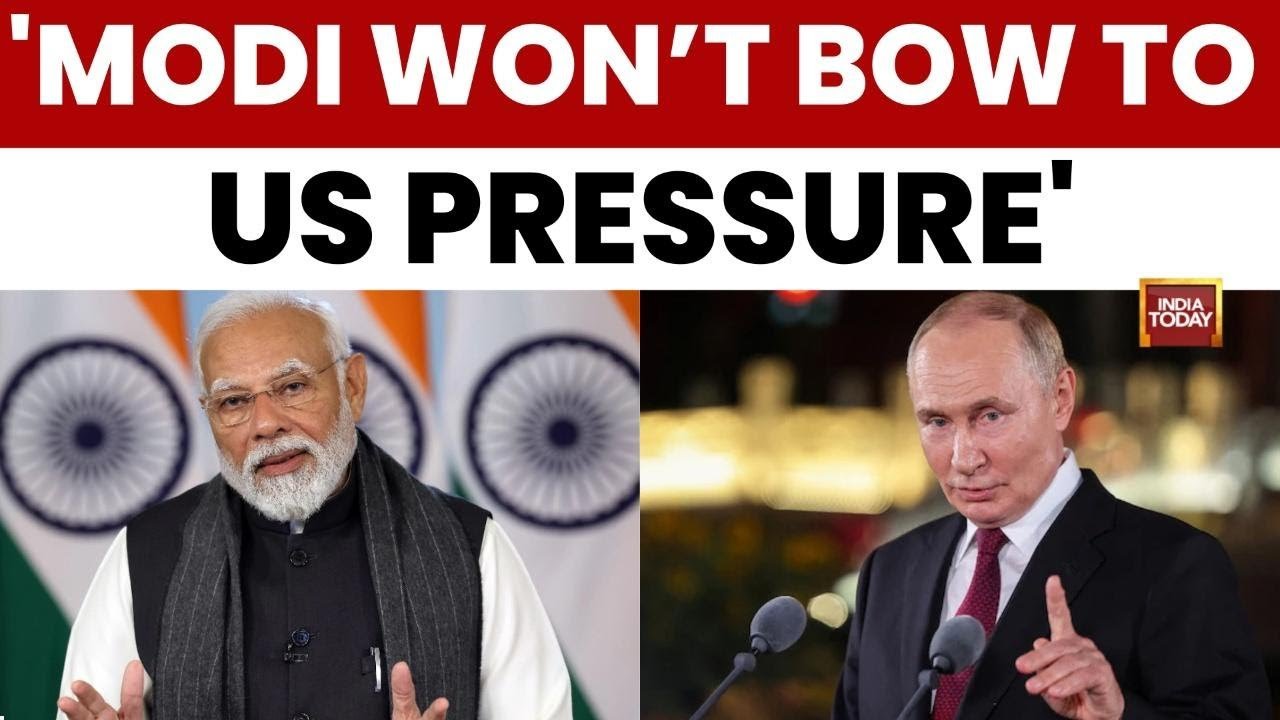
In a significant shift in global financial strategy, India — under the leadership of Prime Minister Narendra Modi — is reducing its dependence on the U.S. dollar and piling up gold reserves, a move echoed by trends seen in other major economies. While Russian President Vladimir Putin has been vocal about challenging dollar dominance, New Delhi’s actions reflect a broader strategic recalibration in world finance.
India Shrinks Dollar Holdings, Expands Gold Reserves
Recent data shows that the Reserve Bank of India (RBI) has cut its holdings of U.S. Treasury bonds to a five-year low, trimming exposure by over $50 billion in the past year. As of late 2025, India’s U.S. Treasury holdings stood at about $190 billion, down from roughly $241 billion in 2024 — a 21 % annual reduction.
At the same time, India has been boosting its gold reserves, which climbed to around 880 metric tonnes, raising the share of gold in the country’s foreign exchange reserves. Gold now accounts for a growing portion of the RBI’s assets as part of a broader diversification strategy.
Though some reports mention incremental gold buying figures like $50 million, the RBI’s gold accumulation over the years is part of a much larger trend emphasizing strategic safe-haven assets rather than short-term currency swaps.
Why This Matters: Dedollarisation and Global Shifts
This strategy reflects a global phenomenon known as dedollarisation — efforts by countries to reduce reliance on the U.S. dollar in trade and reserves. Economists say this can hedge against currency volatility, geopolitical risks, and sanctions exposure.
India already uses mechanisms like local currency settlements and special vostro accounts with partner countries to facilitate trade outside the dollar system, particularly with nations like Russia, China, and others in BRICS.
Russia’s Role: Putin’s Position on Dollar Dominance
Russian President Vladimir Putin has frequently criticized the dollar’s global hegemony, especially amid ongoing tensions with the U.S. and Europe. While Russia and India maintain robust bilateral relations in energy, defense, and trade, the broader geopolitical narrative includes a shared interest in reducing dollar dependence.
India’s continued engagement with Russia — whether in energy imports or strategic partnerships — has occasionally drawn sharp reactions from Washington. U.S. policymakers have linked India’s trade with Russia, notably oil, to tariff actions and diplomatic pressure, underscoring competing geopolitical priorities.
What This Means for the U.S. Dollar
The U.S. dollar has long been the backbone of global finance. But as countries like India recalibrate their reserve strategies — selling U.S. debt and increasing gold holdings — it signals a gradual shift in confidence.
Analysts believe such moves could:
- Reduce vulnerability to abrupt U.S. monetary policy shifts,
- Strengthen national currencies like the Indian rupee,
- Bolster financial stability against future global shocks.
Gold, historically viewed as a safe store of value during economic uncertainties, has seen increased demand from central banks worldwide, beyond just India and China.
Future Outlook
While the U.S. dollar remains dominant, India’s pivot toward gold and diversified reserves highlights a broader trend among emerging markets to build resilience. Coupled with global economic pressures and geopolitical realignments, these strategic financial choices by major countries could reshape the future of international currency systems.