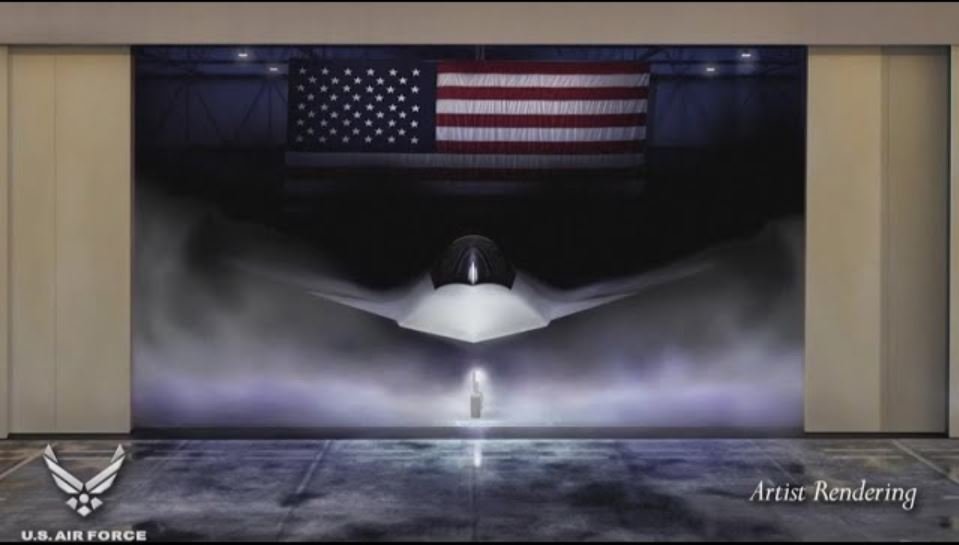
The United States is pushing forward with its most ambitious air combat project yet — the F-47, a sixth-generation fighter under the Next Generation Air Dominance (NGAD) program. But recent shifts in its timeline are raising serious concerns, and experts believe this could become a major strategic issue.
What Is the F-47 Fighter Jet?
The F-47 is designed to replace the aging F-22 Raptor and redefine air superiority. Unlike traditional fighter programs, it is part of a “family of systems” approach.
Key Highlights:
- Sixth-generation stealth fighter
- AI-assisted combat systems
- Works with autonomous drone wingmen
- Developed under NGAD program
- Expected to dominate future aerial warfare
This aircraft isn’t just about speed or stealth — it’s about networked warfare, where jets, drones, and data systems operate as one.
Original Timeline: Fast-Track Strategy
When the program gained public attention, the timeline looked extremely aggressive:
- Early prototype testing: 2019–2022
- Contract awarded: 2025
- First flight target: 2028
- Expected service entry: Late 2020s / Early 2030s
The U.S. Air Force aimed to move faster than any previous fighter program to stay ahead of global rivals.
What Has Changed?
While officials still claim the program is “on track,” several subtle but critical changes suggest growing pressure behind the scenes.
1. Timeline Is Getting Tighter
A 2028 first flight leaves very little room for delays — especially for a sixth-gen jet with cutting-edge tech.
2. Development Complexity Is Rising
The F-47 is expected to integrate:
- Advanced stealth materials
- AI decision-support systems
- Drone coordination
- Next-gen engines
Combining all of this in one platform is far more complex than previous fighter programs.
3. Signals of Internal Uncertainty
Reports hint at possible changes in designation, planning adjustments, and evolving program goals — all signs that things are still in flux.
Why This Is a Serious Problem
Strategic Risk
The F-47 is meant to counter next-gen fighters from China. Any delay could weaken the U.S. edge in air superiority.
Cost Could Skyrocket
Faster timelines often mean higher costs. If delays occur, the program could become significantly more expensive than expected.
Capability Gap
The F-22 is aging, and without a timely replacement, the U.S. could face a temporary gap in advanced air combat capability.
Overloaded Expectations
The F-47 is expected to do everything — stealth, AI warfare, drone control, long-range missions. Delivering all of that on a tight timeline is a massive challenge.
The Global Race Is Heating Up
The F-47 isn’t being developed in isolation. Other nations are also working on sixth-generation fighters, aiming for deployment around the same timeframe.
This means even a small delay could shift the balance of power in the skies.
Final Verdict
The F-47 timeline hasn’t officially slipped — yet. But the pressure is clearly building. Tight deadlines, advanced technology, and rising expectations make this one of the most challenging defense programs in history.
If everything goes right, the F-47 could redefine air combat.
If not, it could become another example of how ambitious timelines can create long-term problems.