Gold Prices Retreat as Trump Threatens Further Attacks on Iran
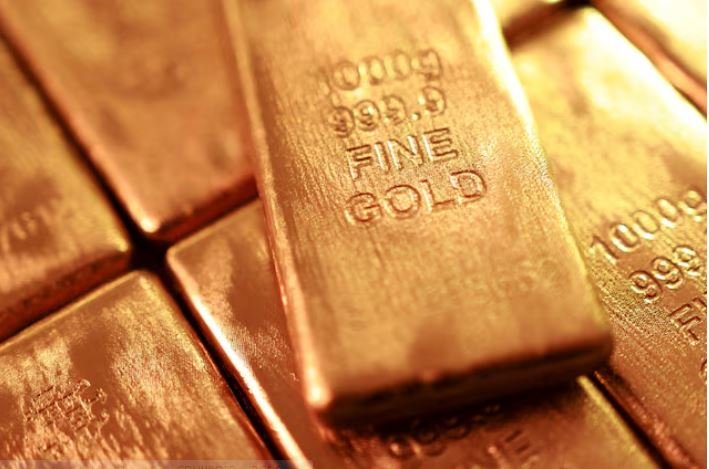
Gold prices fell sharply on Thursday after U.S. President Donald Trump signaled that military operations against Iran will continue in the coming weeks. The move reversed recent gains in bullion and rattled financial markets around the world.
Gold Slides From Recent Highs
- Spot gold dropped nearly 2% to around $4,660 per ounce, stepping back from a two‑week peak reached earlier in the week.
- U.S. gold futures also fell about 2.5%, reflecting renewed selling pressure.
- Other precious metals like silver, platinum, and palladium declined alongside gold.
Investors had pushed gold higher earlier this week, hoping for signs of easing tensions in the Iran conflict. But Trump’s aggressive national address dashed that optimism and prompted a broad market reassessment.
Why the Drop Despite Geopolitical Risk?
Gold is traditionally seen as a safe‑haven asset during times of geopolitical instability. Yet in this case, prices fell because:
- U.S. Treasury yields rose, making non‑yielding gold less attractive.
- The U.S. dollar strengthened, raising the dollar cost for overseas buyers.
- Rising crude oil prices fueled inflation fears, which often leads investors toward interest‑bearing assets instead.
In simple terms: even though geopolitical risk increased, the market prioritized higher yields and inflation expectations over bullion’s safe‑haven appeal.
Oil and Markets Also Reacted
Trump’s remarks sent oil prices higher by more than 4–5% as traders assessed the risk of prolonged conflict disrupting global energy supplies. At the same time, Asian stock markets and other risk assets showed weakness on renewed uncertainty.
What This Means for Investors
- For precious metals traders, momentum has shifted back to the downside after gold’s recent gains.
- If tensions continue and real interest rates remain high, gold may face further pressure in the short term.
- However, any unexpected diplomatic breakthrough or de‑escalation news could quickly reverse the trend.
- Long‑term investors often still view bullion as a hedge against inflation and political risk.
Key Takeaways
- 🪙 Gold prices slipped sharply after Trump’s announcement of continued military action against Iran.
- 📈 Oil surged, lifting inflation fears and pressuring markets.
- 💹 Higher yields and a stronger dollar reduced gold’s safe‑haven appeal.
Investors will be closely watching both geopolitical developments and U.S. economic signals — especially interest rate expectations — for clues on where gold and other risk assets might head next.
If you want, I can also provide gold price forecasts or implications for U.S. markets like stocks and bonds ahead of the next jobs data release.Gold prices fell sharply on Thursday after U.S. President Donald Trump signaled that military operations against Iran will continue in the coming weeks. The move reversed recent gains in bullion and rattled financial markets around the world.
Gold Slides From Recent Highs
- Spot gold dropped nearly 2% to around $4,660 per ounce, stepping back from a two‑week peak reached earlier in the week.
- U.S. gold futures also fell about 2.5%, reflecting renewed selling pressure.
- Other precious metals like silver, platinum, and palladium declined alongside gold.
Investors had pushed gold higher earlier this week, hoping for signs of easing tensions in the Iran conflict. But Trump’s aggressive national address dashed that optimism and prompted a broad market reassessment.
Why the Drop Despite Geopolitical Risk?
Gold is traditionally seen as a safe‑haven asset during times of geopolitical instability. Yet in this case, prices fell because:
- U.S. Treasury yields rose, making non‑yielding gold less attractive.
- The U.S. dollar strengthened, raising the dollar cost for overseas buyers.
- Rising crude oil prices fueled inflation fears, which often leads investors toward interest‑bearing assets instead.
In simple terms: even though geopolitical risk increased, the market prioritized higher yields and inflation expectations over bullion’s safe‑haven appeal.
Oil and Markets Also Reacted
Trump’s remarks sent oil prices higher by more than 4–5% as traders assessed the risk of prolonged conflict disrupting global energy supplies. At the same time, Asian stock markets and other risk assets showed weakness on renewed uncertainty.
What This Means for Investors
- For precious metals traders, momentum has shifted back to the downside after gold’s recent gains.
- If tensions continue and real interest rates remain high, gold may face further pressure in the short term.
- However, any unexpected diplomatic breakthrough or de‑escalation news could quickly reverse the trend.
- Long‑term investors often still view bullion as a hedge against inflation and political risk.
Key Takeaways
- 🪙 Gold prices slipped sharply after Trump’s announcement of continued military action against Iran.
- 📈 Oil surged, lifting inflation fears and pressuring markets.
- 💹 Higher yields and a stronger dollar reduced gold’s safe‑haven appeal.
Investors will be closely watching both geopolitical developments and U.S. economic signals — especially interest rate expectations — for clues on where gold and other risk assets might head next.
If you want, I can also provide gold price forecasts or implications for U.S. markets like stocks and bonds ahead of the next jobs data release.