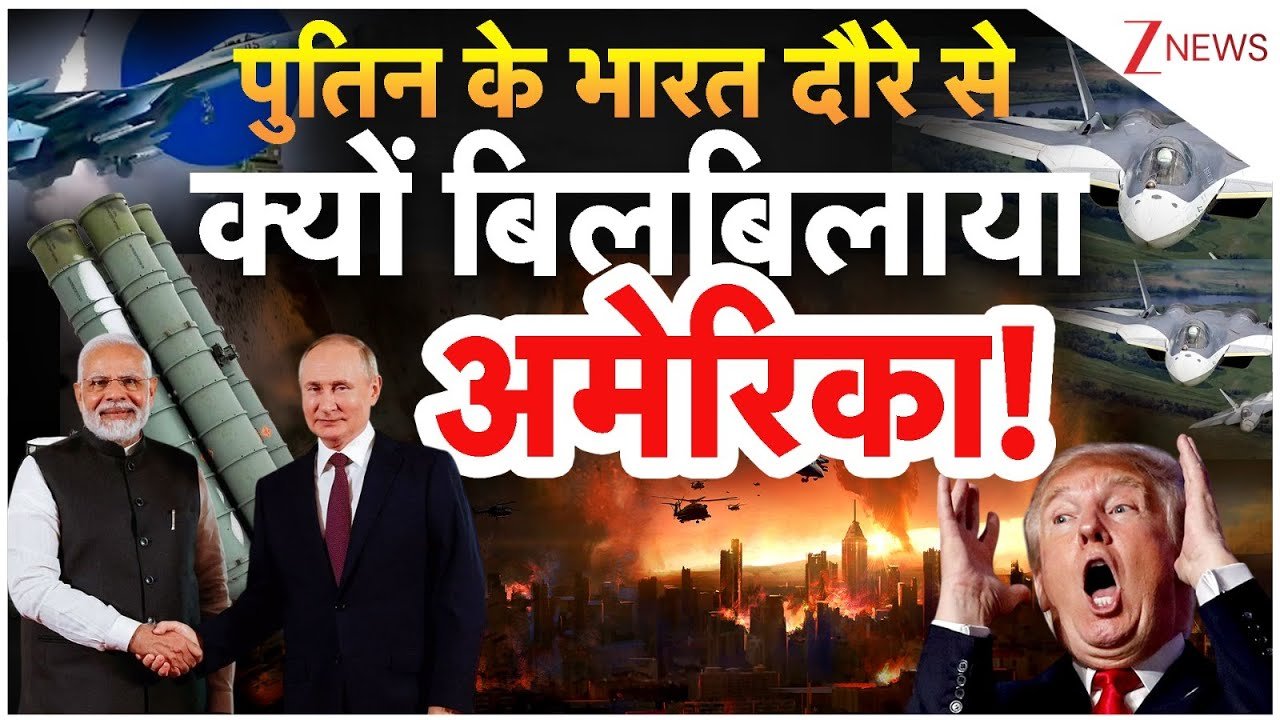
New Delhi: In an unexpected diplomatic move, the President of the United States made a very short — just around two hours — visit to India at a time when tensions across West Asia are sharply rising. This surprise visit has sparked global interest in Washington–New Delhi ties and what it signals for regional stability.
A “Lightning” Diplomatic Stop
Unlike most state visits that last days, this meeting was extremely brief — only about 1 hour 45 minutes to 2 hours of face-to-face engagement with Indian leadership before departure. The brevity itself became a talking point, with observers calling it a fast-track or urgent diplomatic consultation.
Why Now? A Shifting Geopolitical Landscape
The timing couldn’t be more strategic. Multiple tensions are currently roiling West Asia:
- 📍 Persistent conflict in Gaza and instability in neighbouring regions.
- 📍 Strained U.S.–Iran relations, with ongoing proxy confrontations across the Middle East.
- 📍 Unresolved Yemen crisis and the UAE’s changing regional role.
Amid this background, the U.S. appears to be seeking India’s diplomatic support and engagement on peace initiatives and stability efforts. In fact, the White House recently invited India to join a new “Board of Peace” focused on Gaza, signaling Washington’s desire for a broader coalition.
Why India? Washington’s Strategic Calculus
Several key factors explain why the U.S. turned to India at this moment:
🇮🇳 India’s diplomatic weight in West Asia
India maintains close ties with a wide range of West Asian countries, including Iran, Saudi Arabia, Israel and the UAE, giving it unique leverage in diplomatic discussions.
Energy and economic interests
India is a major global energy importer and one of the largest trading partners of Gulf nations. Stability in West Asia directly impacts global energy markets — and U.S. interests.
U.S.–India strategic partnership
Despite bumps in relations — including trade disagreements and tariffs — Washington still views India as a pivotal partner in broader geopolitical goals, from Indo-Pacific stability to global peace efforts.
What Was Discussed
Although official details are limited — given the compressed schedule — the brief agenda likely included:
- Discussions on regional security and West Asia peace prospects.
- Coordination on emerging global peace initiatives like the Gaza peace effort.
- Strengthening US-India cooperation across trade, energy and technology sectors.
Expert Take
Analysts say such a short, targeted visit is not ceremonial but highly symbolic — it reflects urgency on matters where the U.S. wants India’s voice and support. It also shows how India is increasingly seen globally as a stabilising power amid geopolitical flux.
In summary: The U.S. President’s sudden, short visit to India amid West Asia tensions isn’t about routine diplomacy. It’s a calculated outreach amidst a rapidly changing geopolitical landscape, where India’s role as a global influencer and peace partner is gaining new recognition.