The United States is the world’s largest import market, buying trillions of dollars’ worth of goods every year. From electronics and automobiles to crude oil and consumer products, America depends heavily on imports from a handful of key trading partners.
However, new and revised US tariff policies (2025–2026) are reshaping global trade. These tariffs are aimed at protecting domestic industries, reducing trade deficits, and strengthening national security.
In this article, we look at the Top 10 countries exporting the most to the USA and explain the latest tariffs affecting their exports.
Why the US Is Increasing Tariffs in 2026
The US government has cited several reasons for new import duties:
- Protecting American manufacturing and jobs
- Reducing dependency on strategic rivals
- Addressing unfair trade practices
- Strengthening supply-chain security
- Supporting green energy and EV industries
As a result, certain countries and product categories now face higher import taxes.
Top 10 Countries Exporting the Most to the United States (2026)
| Rank | Country | Major Exports to USA | Export Value (Approx.) |
|---|---|---|---|
| 1 | Mexico | Vehicles, auto parts, machinery | $480+ Billion |
| 2 | China | Electronics, machinery, batteries | $430+ Billion |
| 3 | Canada | Oil, gas, vehicles, lumber | $420+ Billion |
| 4 | Germany | Luxury cars, industrial machinery | $170+ Billion |
| 5 | Japan | Cars, electronics, robotics | $150+ Billion |
| 6 | South Korea | Semiconductors, cars, batteries | $130+ Billion |
| 7 | Vietnam | Apparel, electronics, furniture | $120+ Billion |
| 8 | Taiwan | Semiconductors, tech hardware | $115+ Billion |
| 9 | India | Pharmaceuticals, jewelry, IT goods | $90+ Billion |
| 10 | United Kingdom | Aircraft parts, chemicals, whiskey | $80+ Billion |
(Figures are rounded estimates based on recent trade data.
New US Tariffs on Top Exporting Countries
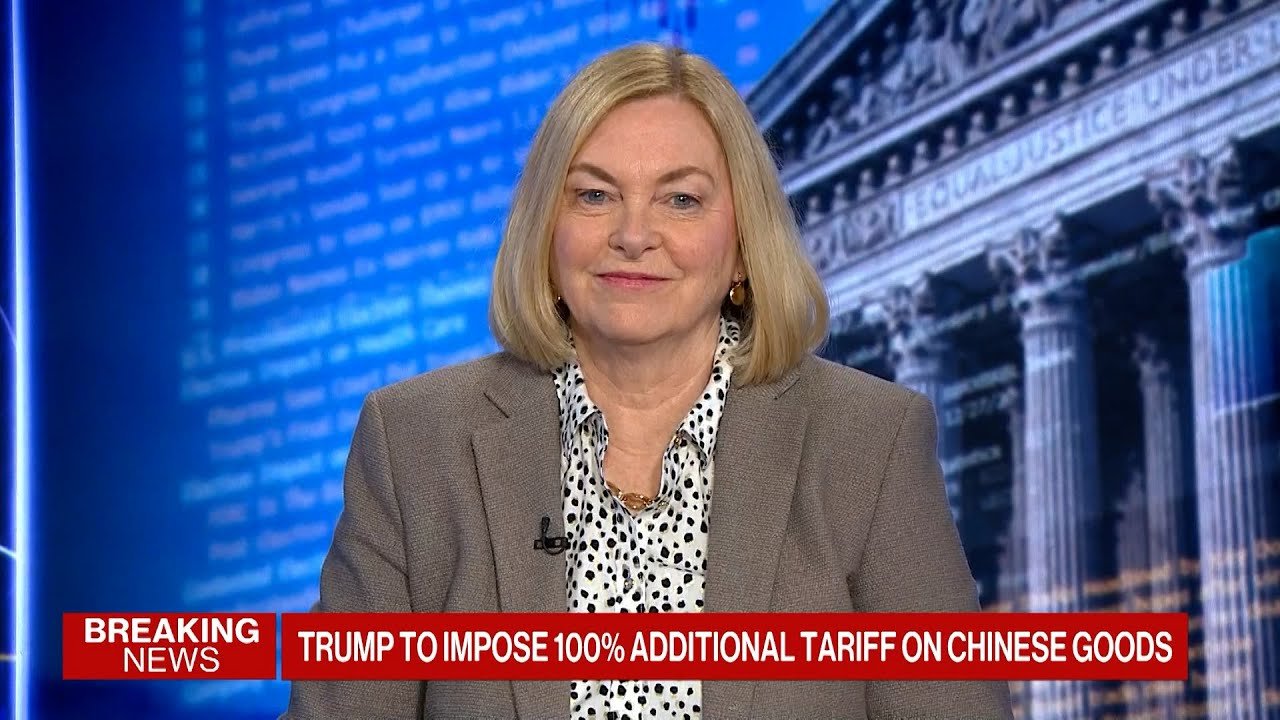
🇨🇳 China – Highest Tariff Impact
- New Tariff Range: 25% to 100% (product-specific)
- Affected goods:
- Electric vehicles
- Solar panels
- Lithium batteries
- Steel & aluminum
- Reason: Trade imbalance, technology protection, national security
🇲🇽 Mexico – Mostly Exempt, But Watchlisted
- New Tariff: Minimal (USMCA protection)
- Risk areas:
- Chinese goods routed via Mexico
- Most Mexican auto exports remain tariff-free
🇨🇦 Canada – Strategic Partner
- Tariff Impact: Low
- Energy products largely exempt
- Steel & aluminum subject to quota-based controls
🇩🇪 Germany – Auto Industry Under Pressure
- Potential Tariff: Up to 25% on EVs & luxury vehicles
- Focus on protecting US auto manufacturing
🇯🇵 Japan – Technology & Auto Tariffs
- Tariff Range: 10%–25% (select segments)
- Hybrid and EV vehicles under review
🇰🇷 South Korea – Semiconductor Concerns
- New Tariff: Limited but strategic
- Battery and chip exports monitored
🇻🇳 Vietnam – Rising Tariff Scrutiny
- New Tariff Range: 10%–25%
- Apparel & electronics face anti-dumping checks
🇹🇼 Taiwan – Chip Industry Protected (For Now)
- Tariff: Mostly exempt
- Semiconductors considered critical imports
🇮🇳 India – Moderate Tariff Exposure
- New Tariff Range: 5%–15%
- Pharmaceuticals & IT goods mostly safe
- Steel and chemicals affected
🇬🇧 United Kingdom – Limited Impact
- Tariff: Minimal
- Aircraft components and spirits largely unaffected
Who Benefits from These Tariffs?
- US manufacturing companies
- American EV & battery producers
- Domestic steel and aluminum industries
- Local job markets
But higher tariffs may also increase consumer prices in the US.
What This Means for Global Trade in 2026
- Supply chains are shifting away from China
- Mexico, India, and Vietnam gaining importance
- EV and semiconductor trade becoming highly regulated
- Trade wars turning into technology wars
Final Thoughts
The United States’ new tariff strategy is not just about taxes—it’s about economic security and global influence. While some countries face heavy duties, others are finding new opportunities as trusted trade partners.
For exporters, understanding US tariff policies is now as important as pricing and quality.